
 Regina Wang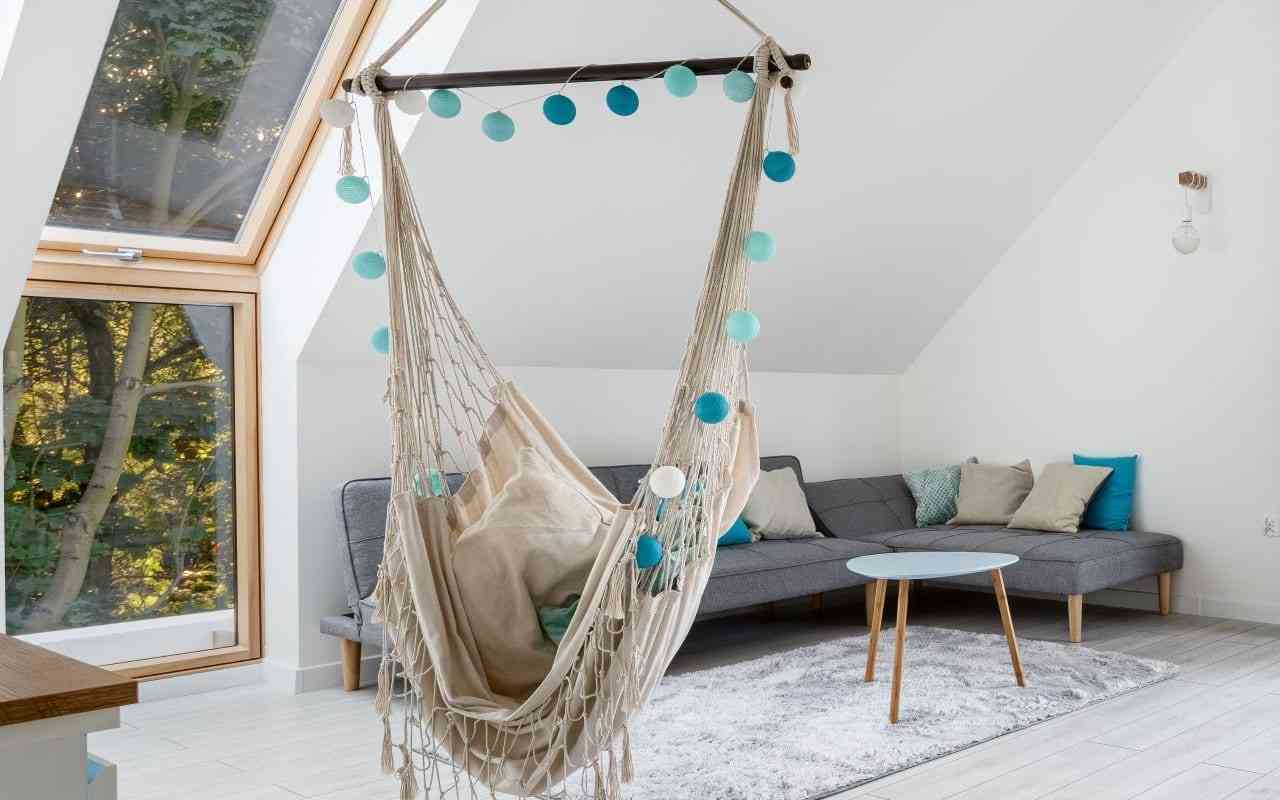
Think about the last space you were in that just felt… right. The light was gentle, the sounds were a soft background hum, and you could think, or rest, or simply be. For many neurodivergent people—those with ADHD, autism, sensory processing differences, and more—that feeling is rare. Our world, frankly, is often designed for a narrow band of sensory and cognitive experiences.
That’s changing. A quiet revolution is happening in design, moving beyond mere accessibility checkboxes to embrace true sensory well-being. It’s not about creating “special” spaces for “others.” It’s about building environments that are more humane, flexible, and thoughtful for everyone. Let’s dive in.
What Do We Mean by Neurodivergent and Sensory Well-being?
First, a quick reframe. Neurodiversity is the idea that neurological differences are a natural part of human variation, not deficits. Neurodivergent minds—like autistic, dyslexic, or ADHD minds—simply process information, senses, and social cues differently.
Sensory well-being, then, is the state where an environment doesn’t fight against your nervous system. It’s where lighting, sound, texture, and space work in harmony with how you experience the world, reducing what’s often called “sensory load.” For some, fluorescent lights buzz and flicker unbearably. For others, overlapping conversations in an open office create a wall of indecipherable noise. It’s physical, and it’s real.
The Core Principles of Neuroinclusive Design
So, how do we design for this? It’s less about a rigid set of rules and more about a mindset shift. Here are the foundational pillars.
1. Offer Control and Choice
This is the big one. A one-size-fits-all environment is the enemy of sensory well-being. The goal is to provide options so individuals can adjust their experience. Think adjustable lighting (dimmers, task lights), noise-cancelling headphones available for loan, or flexible seating arrangements that allow someone to find a corner of calm or a spot for collaborative energy.
2. Minimize Unpredictable Sensory Assault
Sudden, loud noises. Harsh, flickering lights. Overpowering, conflicting smells. These aren’t just annoyances; they can be genuinely painful and derail focus or emotional regulation. Design should seek to soften the edges of the world. Acoustic panels, soft-close doors, and natural, consistent lighting are a great start.
3. Clarity Over Clutter (Cognitive and Visual)
Visual noise is just as taxing as auditory noise. Busy patterns, cluttered signage, and confusing wayfinding demand extra cognitive processing. Clean sightlines, clear visual hierarchies, and intuitive layouts reduce mental fatigue. This benefits everyone, honestly, but for a neurodivergent person, it can be the difference between navigating a space with confidence or with overwhelming anxiety.
Practical Applications: From Offices to Homes
Okay, principles are great, but what does this look like on the ground? Here’s a breakdown across different settings.
| Setting | Pain Points | Neuroinclusive Solutions |
| Workplace / Office | Open-plan noise, harsh lighting, lack of privacy, unpredictable interruptions. | Provide “focus pods” or quiet rooms. Use zoning (collab vs. quiet areas). Offer multiple lighting zones and sound masking systems. Implement clear, visual schedules for shared spaces. |
| Retail & Public | Overstimulating layouts, loud music, long/unpredictable queues, bright lights. | Designate “low-sensory hours” with reduced stimuli. Create clear, calm pathways. Offer queueing alternatives (virtual lines). Train staff on neurodiversity awareness. |
| Educational | Rigid seating, auditory processing in echoey rooms, sensory overload in hallways. | Incorporate flexible furniture and fidget tools. Use acoustic treatments in classrooms. Create sensory retreat spaces within the school. Allow for movement breaks. |
| Home Design | Multi-purpose rooms causing stress, lack of dedicated calm space, overwhelming decor. | Create sensory “anchor” spaces—a calming corner with soft textures and low light. Use room dividers to define zones. Prioritize natural materials and personal lighting control. |
The Sensory Toolkit: Elements to Consider
Every design choice is a sensory choice. Here’s a quick, non-exhaustive list of elements to play with.
- Sight: Indirect lighting, warm color temperatures, matte finishes over glossy, high-contrast signage for wayfinding, reduced visual clutter.
- Sound: Acoustic panels, soft flooring, sound-absorbing textiles (curtains, rugs), designated quiet zones, predictable soundscapes.
- Touch (Tactile): A variety of textures to choose from (smooth wood, soft fabric, cool stone), avoid abrasive materials, consider weight—like weighted blankets in rest areas.
- Movement (Proprioceptive): This is huge. Offer seating that allows for movement—wobble stools, rocking chairs, standing desks. It’s not fidgeting; it’s regulating.
Why This Matters Beyond Inclusion
Here’s the deal: when you design for neurodivergent sensory needs, you often create a better experience for everyone. It’s the curb-cut effect. That quiet room in an office? A boon for anyone with a migraine, or needing to make a private call, or just having an overstimulated day. Clear signage? Helps visitors and reduces frustration across the board.
You’re also future-proofing. As awareness grows, people are actively seeking out spaces that respect their sensory well-being. It’s becoming a marker of thoughtful, modern design. A competitive advantage, even.
But more than that, it’s a profound act of respect. It says, “I see that your experience of the world is valid, and this space is for you, too.” It moves us from tolerance to belonging.
Getting Started (It’s Easier Than You Think)
You don’t need a full renovation. Start small. Audit one room or one process. Ask the neurodivergent people in your life, or on your team, what one change would make the biggest difference. Often, the solutions are low-cost and high-impact.
- Listen. Engage with the neurodivergent community. Co-design with them, don’t just design for them.
- Prioritize Flexibility. Can people control the light, sound, and layout of their immediate space?
- Reduce the Assault. Tackle the biggest, most glaring sensory offender first—that buzzing light, that screeching chair.
- Communicate Clearly. Let people know what to expect from a space. Is it loud? Is it quiet? This allows for self-regulation before even entering.
Designing for neurodivergent minds isn’t a niche specialty. It’s the next, necessary step in creating spaces that don’t just house people, but truly hold them. It’s about building a world with softer edges, clearer paths, and room for every kind of mind to flourish. And honestly, that sounds like a better world for all of us.