
 Regina Wang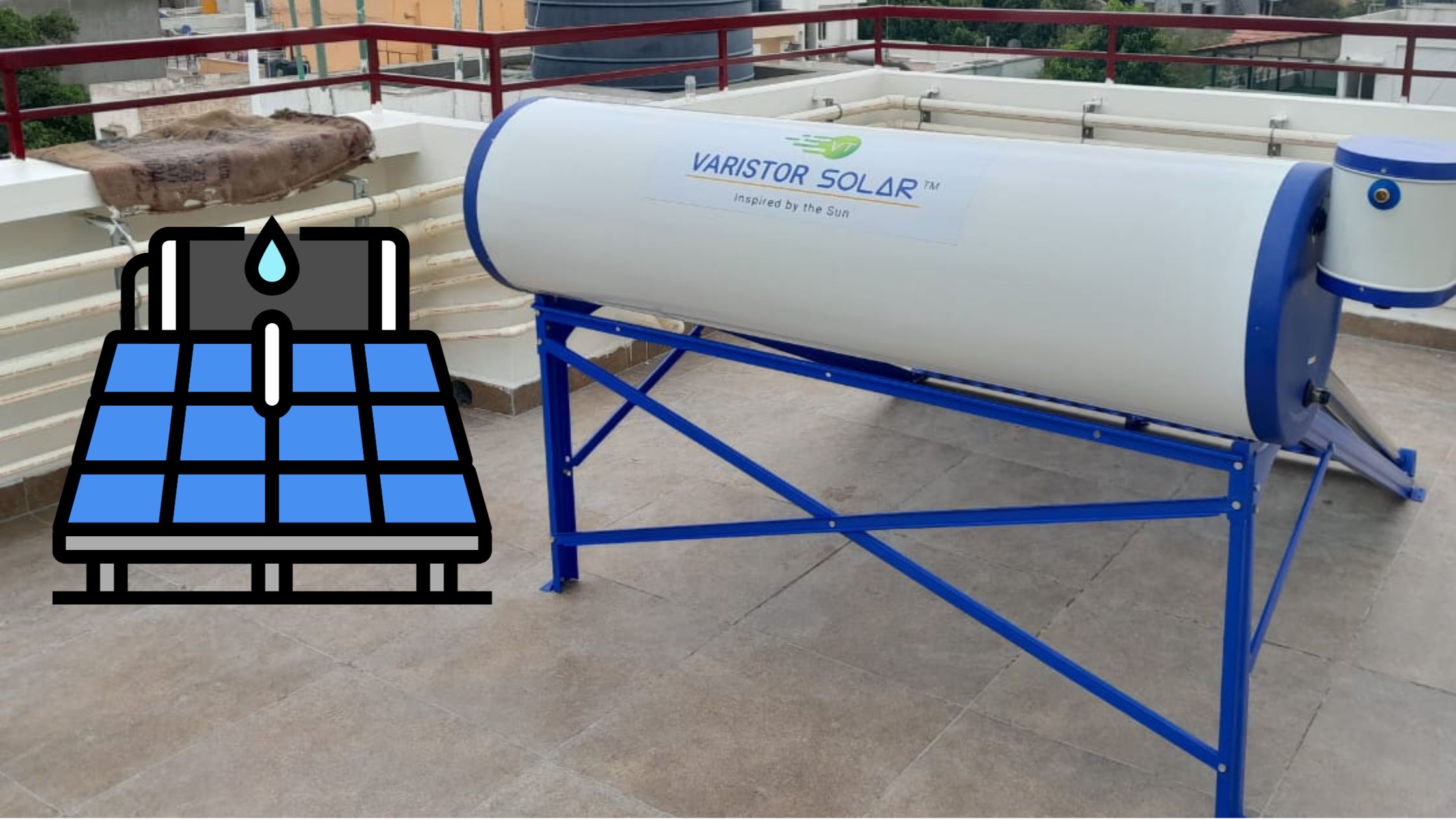
Let’s be honest. When you think about plumbing, you probably picture pipes, wrenches, and… well, water. Renewable energy? That’s solar panels and wind turbines, right? Totally different worlds.
Here’s the deal: those worlds are colliding in the best possible way. Modern plumbing isn’t just about moving water from point A to point B anymore. It’s becoming the circulatory system for a home’s energy strategy. Integrating your plumbing with renewable energy systems is a powerful way to slash bills, boost efficiency, and future-proof your house. It’s a bit like giving your home a caffeine shot—everything just works better, with less waste.
Why This Fusion Makes So Much Sense
Heating water is a massive energy hog. In fact, for the average home, it often accounts for about 20% of the total energy bill. That’s a huge chunk. Traditional water heaters burn gas or guzzle electricity around the clock, regardless of whether you need a shower or not.
Renewable systems, on the other hand, generate energy intermittently—the sun shines, the wind blows. The trick is capturing that energy and using it where it’s needed most. Your plumbing network, with its need for heat and its ability to store hot water, is the perfect battery. It’s a match made in efficiency heaven.
Key Systems for a Synergistic Home
Solar Thermal: The Direct Route
This is the classic. Solar thermal panels (different from solar electric PV panels) sit on your roof and absorb the sun’s heat directly. A fluid—often a glycol mix—circulates through them, gets hot, and travels down to a heat exchanger wrapped around your water tank.
Think of it as a super-efficient, sun-powered kettle. On sunny days, it can provide nearly 100% of your hot water needs. The plumbing integration here is direct. You need dedicated pipes running from the roof to the tank, a pump, and controls to manage the flow. It’s a straightforward, proven technology that can pay for itself surprisingly fast.
Heat Pump Water Heaters: The Air Magicians
Now, this is where it gets clever. A heat pump water heater doesn’t generate heat; it moves it. It works like an air conditioner in reverse, pulling ambient warmth from the air in your basement or utility room and concentrating it into your water tank.
It can be two to three times more efficient than a standard electric heater. And when you pair it with a rooftop solar PV system? You’re essentially using free sunlight (converted to electricity) to run a hyper-efficient appliance. The plumbing hookup is similar to a standard electric heater, but it often requires more space and specific air flow considerations. A minor re-plumb, a major win.
Geothermal (Ground-Source) Integration
This is the heavyweight champion of integration. A geothermal system uses the earth’s constant temperature (around 50-60°F a few feet down) to heat and cool your home. But it can also be designed to superheat your domestic water.
A “desuperheater” can be added to the system. It captures excess heat from the geothermal unit’s compressor and dumps it into your water tank. In summer, when your system is cooling the house, it’s producing free hot water as a byproduct. Honestly, it’s one of the most elegant pieces of home engineering out there. The plumbing integration is more complex, requiring a secondary heat exchanger and careful system design, but the payoff is immense.
The Plumbing-Specific Considerations (A Reality Check)
It’s not all sunshine and free heat, of course. Retrofitting these systems into an existing home requires some savvy planning. You can’t just bolt on new tech to old pipes and hope for the best.
First, your water quality matters. Hard water? It’ll scale up heat exchangers faster, killing efficiency. A water softener might become a necessary partner. Second, pipe insulation becomes non-negotiable. If you’re going to all this trouble to make hot water efficiently, you can’t let it lose heat in the walls. Insulate every inch of hot water pipe.
And tank location. For systems like solar thermal, placing the storage tank close to the panels and the points of use minimizes heat loss in the pipes. Sometimes, that means moving your tank—a bigger plumbing job, but one that ensures the system performs as advertised.
A Quick Comparison: Your Technology Options
| System Type | How It Ties to Plumbing | Best For… | Consideration |
| Solar Thermal | Direct heating via fluid loops to a storage tank. | Sunny climates, homes with high hot water demand. | Requires roof space and a compatible backup system for cloudy days. |
| Heat Pump Water Heater | Replaces standard electric/gas heater; uses ambient air. | Moderate to warm climates, spaces with good air volume (garage, basement). | Can cool/dehumidify its immediate space—a bonus or a drawback depending on location. |
| Geothermal Desuperheater | Integrates with home’s geothermal loop for supplemental water heating. | Homes already installing or with existing geothermal HVAC. | Highest upfront cost, but provides year-round water heating and space conditioning. |
Making It Work: The Installation Mindset
If you’re considering this, you need a new kind of contractor—or a team. The old divide between the plumber and the solar installer just doesn’t cut it. Look for integrators or companies that specialize in “hydronic systems” or “whole-home efficiency.” They think about heat, water, and energy as one interconnected puzzle.
Start with an energy audit. Know where your home loses energy before you try to generate more of it. Then, prioritize. Maybe a heat pump water heater is a simple, standalone win this year. A solar thermal system could be phase two. The point is to have a plan.
And don’t forget the controls. Smart thermostats for your water tank, circulator pumps with timers, and system monitors are the brains of the operation. They ensure the renewable energy is used when it’s available and your backup system only kicks in when absolutely necessary.
The Ripple Effects
This integration does more than just lower your gas bill. It changes your home’s resilience. With a well-sized storage tank and a renewable source, you have a buffer against power outages or fuel supply hiccups. It reduces your home’s carbon footprint in a very tangible way—not by offsetting, but by not consuming in the first place.
It also, you know, future-proofs your investment. As energy codes get stricter and fossil fuel prices do their unpredictable dance, a home that marries its plumbing to renewable energy is simply ahead of the curve. It’s a quiet upgrade that pays dividends every single day.
So, the next time you hear the pipes clink or feel the hot water hit your skin, think about the journey it took. That warmth could be a gift from the sun, the air, or the earth itself—captured not by magic, but by smart, integrated design. It’s a small shift in perspective that just might change how you see your entire home.