
 Regina Wang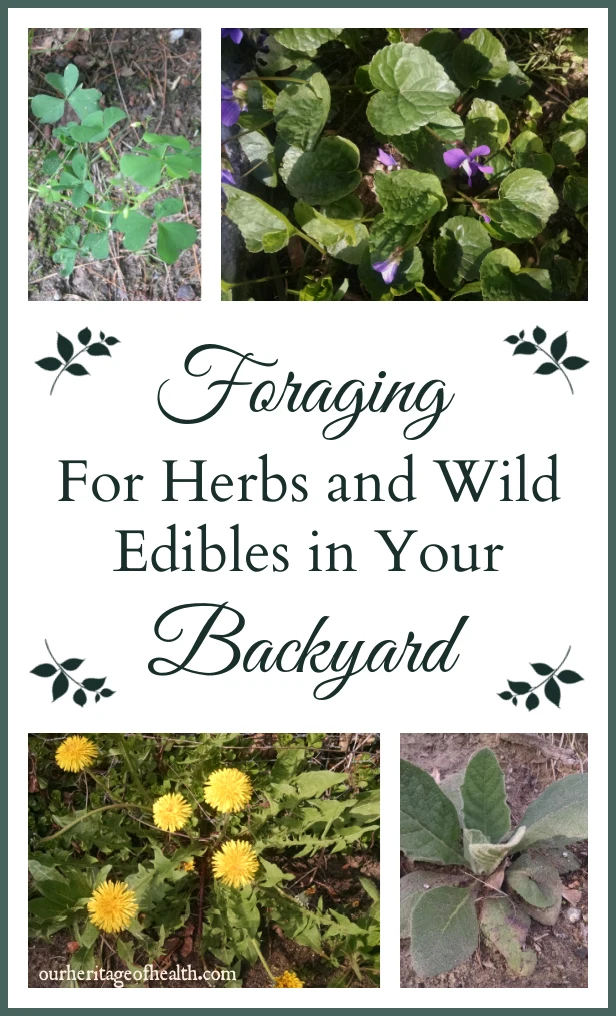
Let’s be honest: the word “weed” gets a bad rap. It conjures images of a relentless green invader, something to be sprayed, pulled, and banished from our pristine lawns. But what if we’ve been getting it all wrong? What if these tenacious plants are actually an untapped pantry and pharmacy, growing freely right under our noses?
That’s the deal with foraging and cultivating native so-called weeds. It’s a practice that connects us to our local ecology in a profound way, turning a chore into a treasure hunt. It’s about seeing the landscape with new eyes—recognizing the dandelion not as a nuisance, but as a bitter green for salads and a liver-supporting tonic. This isn’t just a hobby; it’s a shift in perspective.
The Ethical Forager’s Code: Take Only What You Need
Before we dive into specific plants, we have to talk about ethics. Foraging isn’t a free-for-all. It’s a relationship. Doing it ethically ensures these wild populations thrive for generations to come. Honestly, it’s the most important part.
- Positive Identification is Non-Negotiable. Mistaking hemlock for wild carrot can be fatal. Use a good field guide, cross-reference with multiple sources, and when in doubt, leave it out. No exceptions.
- Forage Sustainably. Never take more than 10-20% of a single patch. Think of it like this: you’re a guest at their table. Don’t eat everything.
- Respect Private Property & Protected Areas. Always get permission. And avoid foraging in parks or nature reserves where it’s often prohibited to protect the ecosystem.
- Mind the Pollution. Avoid plants near roadsides (heavy metals), industrial areas, or places that may have been sprayed with herbicides. Your health is worth the extra walk.
From Lawn to Lunch: Common Edible & Medicinal Weeds
Okay, so let’s get to the good stuff. Here are a few common North American natives and naturalized plants that are fantastic for both food and medicine. You’ve probably seen them all.
Dandelion (Taraxacum officinale)
The poster child of edible weeds. Every part of this sunny plant is useful. The young leaves are a powerhouse of vitamins A, C, and K—great sautéed or in a salad (they get bitter as they age). The roots can be roasted for a coffee substitute or tinctured for liver support. The flowers? They make a lovely, delicate wine. It’s a full-service plant.
Plantain (Plantago major or lanceolata)
Not the banana-like fruit. This is the low-growing plant with parallel veins and a distinctive flower spike you find compacted in sidewalk cracks. It’s a renowned “drawing” herb. A fresh poultice of the leaves can provide quick relief for bee stings, splinters, or itchy bug bites—it pulls out the irritant and soothes the skin. The young leaves are also edible, though fibrous.
Violet (Viola sororia)
Those sweet purple (or white) flowers that dot the spring lawn are more than just pretty. Both the leaves and flowers are edible, rich in vitamin C. The leaves have a mild, slightly mucilaginous texture—perfect for salads or as a cooked green. Medicinally, violets are often used for their gentle lymphatic support. They’re like a spring tonic for the system.
Purslane (Portulaca oleracea)
This succulent, ground-hugging weed is a nutritional superstar. It’s one of the highest known plant sources of omega-3 fatty acids. It also contains antioxidants and minerals. The stems and leaves are juicy and slightly tart—a fantastic, crunchy addition to summer salads or stir-fries. It’s a hot topic in the wild food world for good reason.
Cultivating Weeds: Your Garden’s Unruly Allies
Here’s where it gets really interesting. Instead of just foraging, why not invite these resilient plants into a dedicated space? Ethical cultivation takes the pressure off wild stands and gives you a steady, clean supply. It’s a game-changer.
You can start a “weed garden” or just allow a corner of your yard to go a little wild. Scatter some seeds or carefully transplant a small portion of a foraged plant (with permission and from a robust patch). These plants are, by definition, low-maintenance. They don’t need fancy soil or constant watering. They thrive on neglect, which is honestly perfect for the busy or beginner gardener.
| Plant | Best Foraged Part | Cultivation Tip |
| Dandelion | Leaves (spring), Roots (fall) | Let some go to seed in a contained bed. They’ll do the rest. |
| Chickweed | Aerial parts (cool seasons) | Loves moist, disturbed soil. Grows quickly—harvest often. |
| Lamb’s Quarters | Young leaves & shoots | Treat like spinach. It self-seeds prolifically, so you’ll have it yearly. |
| Self-Heal (Prunella vulgaris) | Flowering tops | A great ground cover for damp, partly shady areas. |
A Word on Safety & Sustainability
We touched on ID, but it bears repeating. Your safety is paramount. Start with the unmistakable plants—dandelion, violet, purslane. Join a local foraging walk if you can; learning from someone with dirt under their nails is invaluable. And always, always process and use plants you’re familiar with first.
Think about sustainability on a larger scale, too. If a plant is rare or endangered in your area, admire it but don’t harvest it. Your local native plant society can be a great resource here. The goal is reciprocity—to give back more than you take, even if that just means spreading seeds in your own cultivated patch.
Re-Wilding Our Plates and Our Perception
So, what does all this add up to? It’s more than just free food. Foraging and cultivating native weeds is a quiet act of rebellion against a culture of lawn perfection and disconnected consumption. It re-wilds not just our land, but our minds. It teaches resilience, botany, and patience.
It connects us to the rhythms of the seasons—the sharp greens of spring, the flowering abundance of summer, the rooted wisdom of fall. Each plant becomes a story, a character with a history of use long forgotten by many. In a world that often feels overwhelmingly complex, there’s a profound simplicity in stepping outside, basket in hand, and finding a meal growing from a crack in the pavement. That’s a kind of magic no supermarket can ever provide.