
 Regina Wang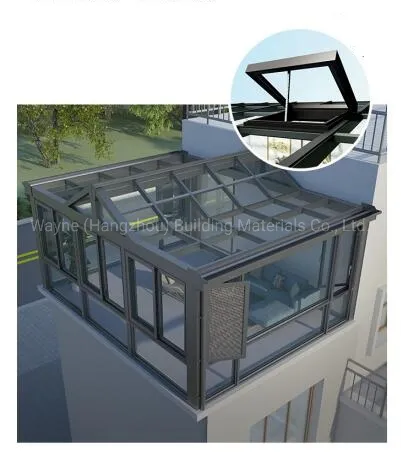
Let’s be honest. In a temperate climate, your outdoor space can feel like a fair-weather friend. Glorious for three months, then…abandoned. A ghost town of patio furniture from October to April. But what if you could design an outdoor room you’d actually use in February? A space that laughs in the face of a light drizzle or a chilly evening?
That’s the dream, right? It’s not just about adding a heater. It’s about creating a true extension of your home. A sanctuary that works with the seasons, not against them. Here’s the deal: with some smart planning, your backyard can become the most versatile room you own.
The Foundation: Shelter and Enclosure
First things first. You need a good roof over your head—or at least, the option of one. This is the single biggest factor in achieving year-round use. Think of it as creating a microclimate.
Permanent vs. Flexible Cover
Permanent structures, like a solid pergola with a polycarbonate roof or a full pavilion, offer great protection. They’re sturdy. But they can also cast deep shadows in the winter when the sun is low. Flexible options, honestly, give you more control. Think:
- Retractable Awnings: Sun in the spring, shade in the summer, dry cover in the fall.
- Motorized Louvered Roofs: These are the gold standard, really. You can adjust them from fully closed to fully open, controlling light and rain with a button.
- High-quality Canopy & Side Panels: Modern, tensioned fabric systems with removable clear vinyl side panels. They create a surprisingly cozy, weather-tight bubble.
The goal is to manage rain, wind, and sun independently. You want to be able to let the weak winter sun stream in while blocking a cold breeze. It’s a game of chess with the weather.
The Warmth Equation: Beyond the Basic Heater
Sure, a patio heater works. But it’s like using a hairdryer to heat your living room—inefficient and, well, a bit one-dimensional. For true comfort, you need layered warmth. Think of it as dressing your space in a thermal base layer, a cozy sweater, and a warm hat.
| Heat Source | Best For | Consideration |
| Overhead Infrared Heaters | Directional, focused heat. Great under covered ceilings. | Heats objects/people, not the air. Efficient for spot heating. |
| Tabletop & Freestanding Firepits | Ambiance and social focus. Radiant warmth. | Heat radius is limited. Requires ventilation if under a roof. |
| Built-in Fire Tables & Gas Fireplaces | Permanent, clean, and powerful. The “hearth” of the outdoor room. | Higher installation cost, but unmatched for regular use. |
| Radiant Floor Heating (under pavers) | Luxurious, invisible heat from the ground up. Melts snow! | Significant upfront investment and planning. |
And don’t forget the textiles. An outdoor-rated wool blanket tossed over a deep-seated sofa isn’t just decor—it’s functional insulation. Plush, weatherproof cushions retain heat far better than thin summer ones.
Furniture & Materials That Can Take It
This is where many folks go wrong. They choose furniture for a summer look, not for year-round resilience. In a temperate climate, you face dampness, frost, and constant thermal expansion. The materials matter.
Go for endurance champions: Powder-coated aluminum, teak, shorea, and all-weather wicker (the good, HDPE resin kind). Avoid untreated metals that rust and cheap plastics that become brittle in the cold. For fabrics, solution-dyed acrylics (like Sunbrella) are the undisputed king. They resist fading, mildew, and moisture like nothing else.
And storage? A dedicated outdoor storage bench for extra cushions or a waterproof deck box isn’t an afterthought—it’s a core part of the design. It lets you quickly tidy up for a winter storm without hauling everything to the garage.
Lighting: The Magic Ingredient for Shorter Days
When darkness falls at 5 PM, lighting isn’t just decorative; it’s essential. You need a layered lighting plan to fight off the gloom and create atmosphere.
- Task Lighting: Under-counter LED strips on an outdoor kitchen, a focused light over a firewood rack.
- Ambient Lighting: String lights (the commercial-grade, canopy-style ones), soft wall sconces on a pergola post, lanterns.
- Accent Lighting: Uplighting in planters, subtle step lights, or a flickering flame from the firepit.
Put them all on dimmers or smart switches. The ability to adjust the mood from “bright enough for a card game” to “subtle glow for a nightcap” is what makes the space feel like an indoor room.
Embracing the Seasons, Not Just Enduring Them
Here’s a subtle shift in mindset. Don’t just design for survival. Design to celebrate the seasonal shifts. A firepit isn’t just a heater; it’s a place to roast chestnuts in the fall. A sturdy roof allows you to listen to the rhythm of rain in spring.
Incorporate elements that change with the calendar. Swap out summer annuals for ornamental grasses and evergreen shrubs with winter berries. Use heavier, textured throws in cooler months. Have a basket for wool blankets handy. Maybe even consider a small, outdoor-rated speaker for music—because a little jazz on a crisp autumn evening just hits different.
The Final Touch: A Human, Lived-In Feel
Perfection is overrated. A slightly worn-in teak bench, a planter with a self-seeded fern in the corner, a stack of books on a side table (in a sealed container, of course). These slight imperfections are what make a space feel alive and used. It’s not a showroom. It’s your room.
Creating an outdoor room for year-round use in a temperate climate is an act of optimism. It’s a declaration that you won’t let nine months of potential go to waste. It’s about building a relationship with your outdoors, in all its moods. You start with shelter and warmth, but you end up with something far greater: a front-row seat to the quiet, beautiful drama of the changing year, in total comfort.