
 Regina Wang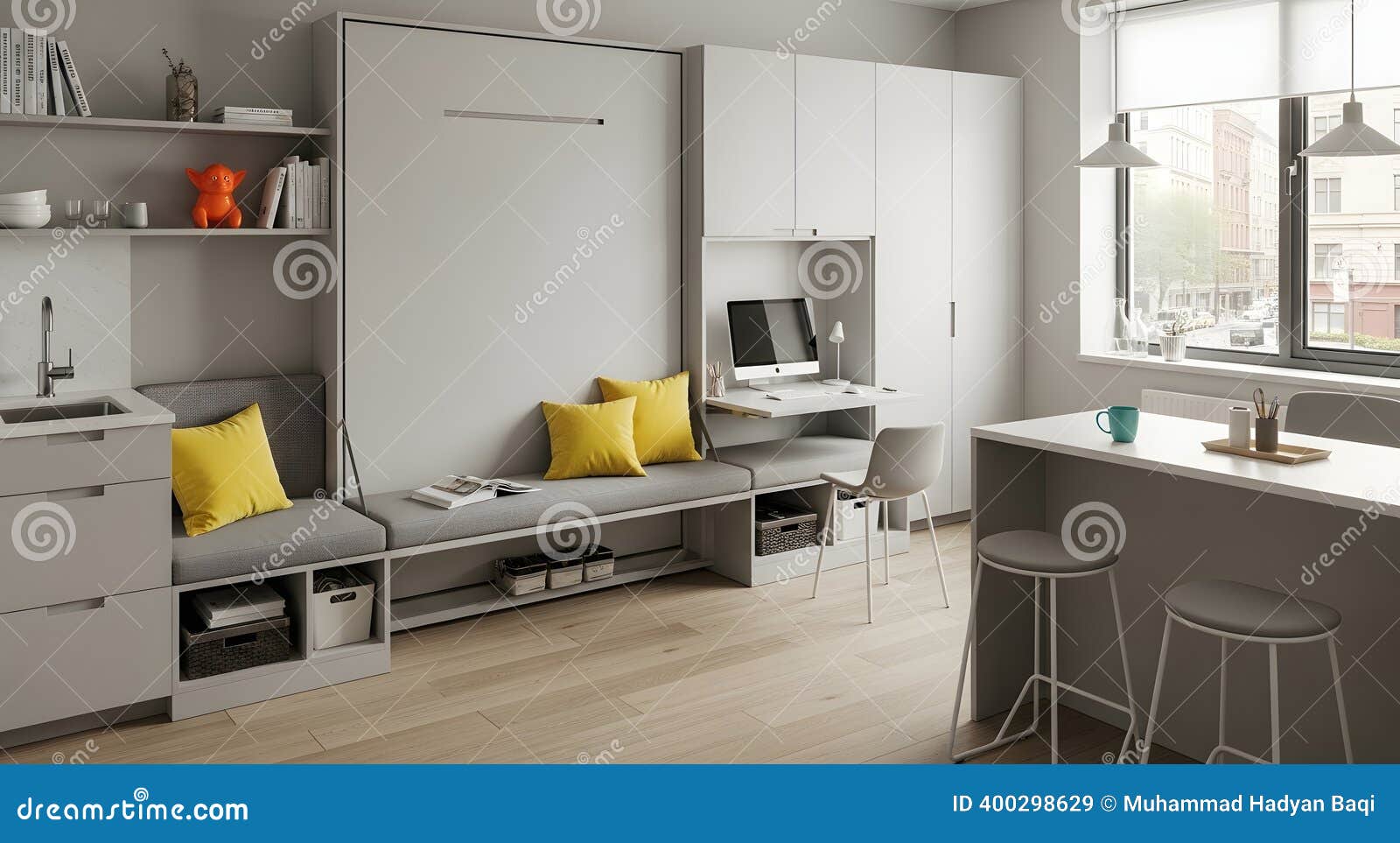
Let’s be honest. Our homes are being asked to do more than ever before. They’re offices, gyms, classrooms, and sanctuaries—all crammed into the same four walls, especially if you’re living in a city apartment or a cozy cottage. The dream of a dedicated room for every single activity? For most of us, it’s just that—a dream.
That’s where the magic of adaptable micro-spaces comes in. It’s not about having more square footage; it’s about working smarter with what you’ve got. And the secret weapons? Honestly, they’re multifunctional furniture and transformative room dividers. Think of them as the Swiss Army knives and shape-shifting walls of interior design.
Why Your Home Needs to Be a Shape-Shifter
We’re living through a quiet revolution in how we use space. The rise of remote work is a huge driver, sure. But it’s deeper than that. It’s about flexibility, mental well-being, and frankly, just needing a change of scenery without leaving the house. A defined zone for focus can make your work-from-home productivity soar. A hidden-away bed can transform a cramped studio from bedroom to living room in seconds flat.
The pain point is real: that feeling of clutter, of everything bleeding into everything else. It creates a low-grade stress—visual noise, you could call it. The solution isn’t a massive declutter (though that helps). It’s creating clear, adaptable micro-spaces that serve multiple purposes throughout your day.
The Multifunctional Furniture Playbook: Beyond the Sofa Bed
Gone are the days when “multifunctional” meant a lumpy, ugly sofa bed. Today’s designs are sleek, intelligent, and often downright beautiful. The key is to look for pieces that don’t just do two things, but excel at them. Here’s a breakdown of the champions.
Storage That Works Overtime
This is the foundation. Every single piece of furniture you bring into a small space should, ideally, offer a hiding place. We’re talking:
- Ottomans with lids: A footrest, extra seating, and a bin for blankets? Yes, please.
- Beds with deep, accessible drawers: Or even better, hydraulic lift-up storage that swallows out-of-season clothes or luggage whole.
- Nesting tables with shelves: They tuck away neatly but provide surface area and display space when you have guests.
The Transformers: Furniture That Literally Changes Form
This is where it gets fun. These pieces are like having a secret room up your sleeve.
- The Murphy Bed (perfected): Modern versions come integrated with desks, bookshelves, or sofas. You go to sleep in a bedroom, and you wake up in a home office or lounge. The psychological shift is powerful.
- Expandable Dining Tables: From a cozy breakfast nook for two to a full dinner party setup in seconds. Look for mechanisms that are smooth and easy for one person to operate.
- Convertible Desks & Tables: A sleek console table that folds down from the wall into a proper desk. Or a coffee table that rises to desk height with the push of a button. It’s about reclaiming floor space the moment you’re done working.
| Furniture Type | Primary Function | Secondary Function(s) | Best For… |
| Storage Ottoman | Seating / Footrest | Hidden Storage, Side Table | Living rooms, bedrooms, entryways |
| Wall Bed with Desk | Sleeping | Home Office, Shelving | Studios, guest rooms, home offices |
| Lift-Top Coffee Table | Surface / Display | Desk, Dining Table, Storage | Small living rooms, studio apartments |
| Bench with Baskets | Seating | Entryway Storage, Toy Storage | Entry halls, kitchens, kids’ rooms |
Room Dividers: The Art of Soft Boundaries
Okay, so you’ve got furniture that does double duty. But how do you actually carve out those separate “rooms” within a room? Solid walls are permanent and, well, boring. Enter the transformative room divider. These aren’t the flimsy, folding screens of your grandma’s parlor (though those can work, too!). Today’s dividers are architectural, functional, and light-playful.
Dividers That Do More Than Divide
The best dividers add utility. They’re not just barriers; they’re shelves, they’re plant stands, they’re art installations.
- Open Shelving Units: A tall bookcase placed perpendicular to a wall creates a visual break but allows light and air to flow through. It defines a space without suffocating it. Use it to store books, display objects, or even store kitchenware if you’re dividing a living-dining area.
- Plants as Partitions: A series of large, lush plants in a line—or on a tall, staggered plant stand—creates a living, breathing wall. It feels organic and adds a hit of biophilia, which we all crave.
- Functional Screens: We’re seeing screens with integrated lighting, hanging rods for clothing (perfect for a dressing area), or even built-in small desks. They’re like a piece of furniture that happens to stand in the middle of the room.
Playing with Light and Perception
You can create a micro-space without a physical object at all. It’s all about perception.
- Rugs: Different area rugs can anchor separate zones—one for the living area, one for the dining space. The texture and pattern change underfoot signals a shift in purpose.
- Lighting: A pendant light over a dining table, a floor lamp in a reading nook, focused task lighting at a desk. These pools of light naturally draw boundaries in an open plan.
- Level Changes & Curtains: A small platform for a bed nook, or a ceiling-mounted curtain track with heavy drapes you can draw closed. It’s a dramatic, cozy way to create a temporary room.
Putting It All Together: A Blueprint for Your Micro-Space
So, how do you start? Don’t try to overhaul everything at once. Pick your biggest pain point. Is it the lack of a dedicated workspace? The living room that always looks messy? Start there.
1. Define the Zones. Grab some painter’s tape and mark out on the floor where you’d like your “office” to be, or your “reading corner.” Live with the tape for a day. See how it feels to move around.
2. Choose Your Anchor Piece. For a workspace, that’s a convertible desk. For a guest space, it’s a sleeper chair or Murphy bed. This piece is the workhorse of the zone.
3. Create the Boundary. Will you use a tall, open shelf? A stylish room divider screen? Or just a different lamp and rug? This step creates the mental separation.
4. Edit Ruthlessly. In a multifunctional space, every item must earn its keep. If it doesn’t serve the primary functions of the zone or bring you joy, it’s probably just visual clutter.
The Ultimate Goal: A Home That Breathes With You
At the end of the day, this isn’t just an interior design trend. It’s a more responsive, more humane way to live. An adaptable micro-space respects the different needs we have throughout a day—focus, relaxation, connection, creativity. It allows a single room to hold multitudes.
Your home shouldn’t be a static showroom. It should be a partner, shifting and adapting to your life’s rhythm. By embracing multifunctional furniture and clever room dividers, you’re not just saving space. You’re creating possibility. And honestly, that’s a feeling that’s worth more than square footage.