
 Regina Wang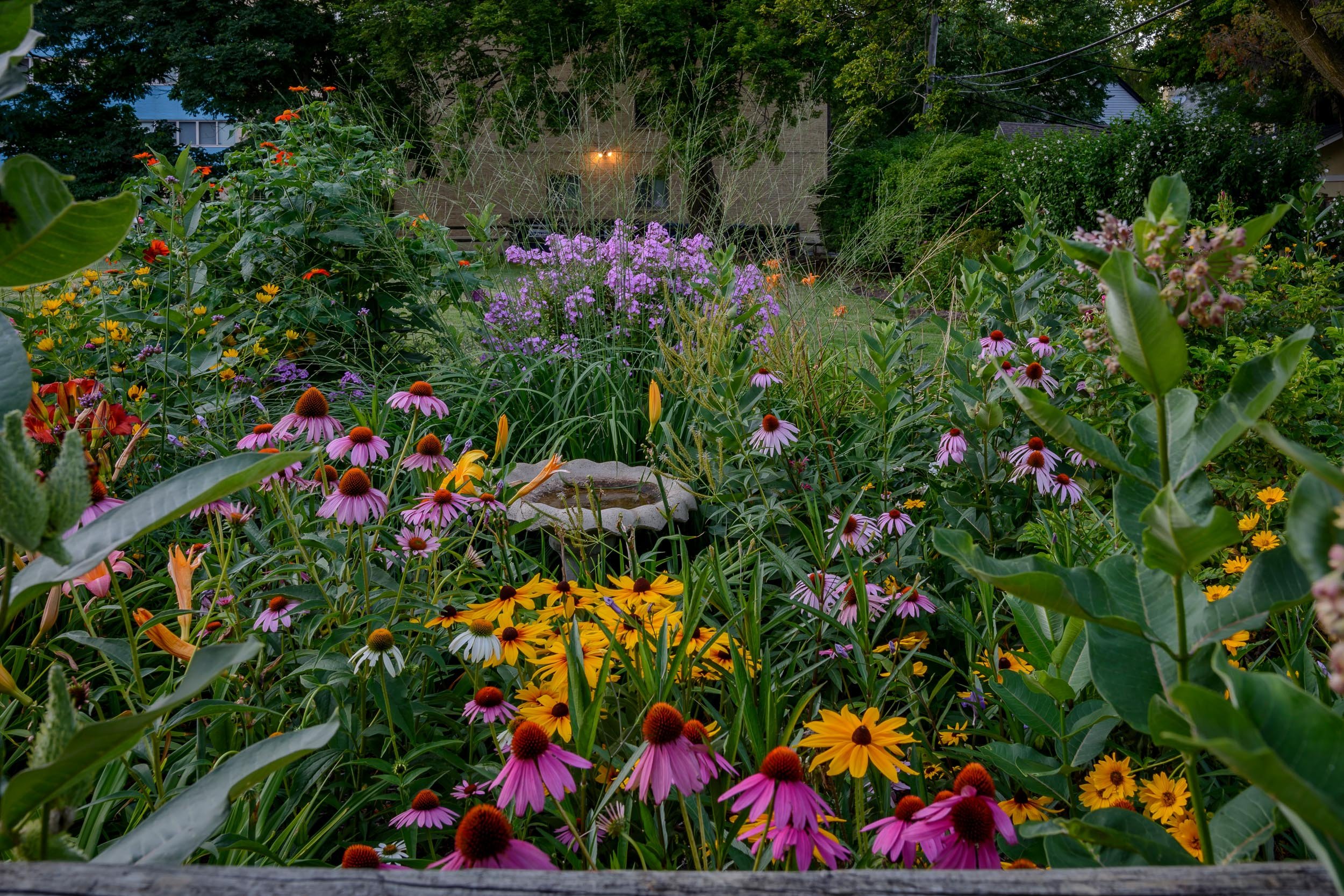
You know, we often hear about massive conservation projects—thousand-acre rewilding efforts, national park initiatives. It can feel… distant. But what if the most powerful tool for fighting biodiversity loss is literally in your own backyard? Or your patio, balcony, or that scrappy patch of lawn by the driveway?
That’s the heart of the hyper-local biodiversity corridor. It’s not about carving a swath through a state. It’s about you and your neighbors planting native species, creating a tiny network that becomes a lifeline for bees, butterflies, birds, and countless unseen critters. Think of it as building a neighborhood sidewalk system, but for nature. Each garden is a stepping stone, a safe house, a diner. Connected, they form a resilient web right where you live.
Why “Hyper-Local” is the Game Changer
Sure, big corridors are vital. But hyper-local work has immediate, tangible impact. It addresses a modern pain point: habitat fragmentation. A manicured lawn is a food desert for most wildlife. A pesticide-treated shrub might as well be a plastic replica. But when we replace even a portion of that with native plants, the effect is dramatic and fast.
Here’s the deal. Native insects and birds are co-evolved with native flora. A monarch caterpillar, for instance, only eats milkweed. No native milkweed, no monarchs. It’s that simple. By planting the species that belong, you’re not just decorating; you’re activating an ancient support system. You’re providing the specific food, shelter, and nesting materials that local wildlife desperately needs.
The Ripple Effect of a Single Native Plant
One oak tree can support over 500 species of caterpillars. Those caterpillars feed baby birds. Those birds disperse seeds. It’s a cascade. Your single choice to plant a native oak sapling instead of, say, a non-native ornamental pear, sets off an ecological chain reaction. That’s the power you wield in your own plot.
Getting Started: Think Like an Ecosystem Architect
This isn’t about achieving botanical perfection. Honestly, it’s the opposite. It’s about functional, layered, and slightly wild gardening. Let’s break it down.
1. The “Right Plant, Right Place” Mantra
First, figure out what “native” means for your hyper-local area. A plant native to your continent isn’t as powerful as one native to your specific ecoregion. Resources like your state’s native plant society or the National Wildlife Federation’s Native Plant Finder are goldmines.
Consider these layers for your corridor:
- Canopy Trees: Oaks, maples, pines, birches (depending on your region).
- Understory Trees & Shrubs: Serviceberry, dogwood, viburnum, blueberry.
- Herbaceous Layer (Flowers & Grasses): Coneflower, black-eyed susan, native grasses, milkweeds, asters.
- Groundcover: Wild ginger, creeping phlox, native sedges.
2. Design for the Entire Life Cycle
We get obsessed with blooms, but wildlife needs year-round support. Aim for succession of bloom from early spring to late fall. And crucially, leave the leaves and dead stalks over winter. They shelter queen bumblebees, butterfly chrysalises, and beneficial insects. That neat-freak fall cleanup? It’s an eviction notice.
Building the “Corridor” with Your Community
A single native garden is an island. The magic happens when islands connect. This is where the social piece comes in—and it’s honestly the most fun part.
Chat with your neighbors. Share seeds, divisions, and success stories. Maybe coordinate on planting a particular butterfly host plant down the block. Even a few houses participating creates a viable pathway. Look at these potential corridor models:
| Corridor Scale | What It Involves | Key Action |
| Backyard Boulevard | Neighbors on a single street converting lawn strips or fence lines. | Plant a shared, showy native like Bee Balm to create a visual & literal pathway. |
| Pollinator Parkway | Focusing on connecting existing gardens via front-yard pollinator patches. | Prioritize nectar-rich plants with long bloom times. |
| Wildlife Waypoint | Linking a cluster of properties to a nearby park or green space. | Use bird- and berry-producing shrubs to guide movement. |
Honest Challenges (And How to Sidestep Them)
It’s not all sunshine and butterflies—pun intended. You might face HOA rules, the “messy” look, or the initial cost of plants. Here’s the workaround: frame it as a “conservation landscape.” Start with a neat, bordered bed of showy natives to win over skeptics. Use signage—a little “Pollinator Habitat at Work” placard educates and legitimizes. And for cost, start small, grow from seed, or join a plant swap. The initial effort pays off because native plants, once established, are typically drought-resistant and need less fussing than non-natives. They belong here, after all.
The Invisible Network Beneath Our Feet
Here’s a metaphor for you. Mycorrhizal fungi—these incredible underground networks—connect plant roots, sharing nutrients and information. A hyper-local biodiversity corridor is the above-ground version of that. Each native garden is a node, connected not by fungi but by the flight of a bee, the hop of a toad, the carried seed. We’re not just planting flowers. We’re knitting a torn ecological fabric, one stitch at a time, right where we live.
The conclusion isn’t a grand call to action. It’s quieter. It’s the realization that conservation isn’t something that happens “out there.” It’s a pot of native salvia on a fire escape. It’s choosing a bare-root native tree from a local sale. It’s watching a sweat bee, a tiny, iridescent jewel, find a home on a flower you grew. That connection—that hyper-local, tangible, life-giving thread—is what changes everything. For them, and for us.