
 Regina Wang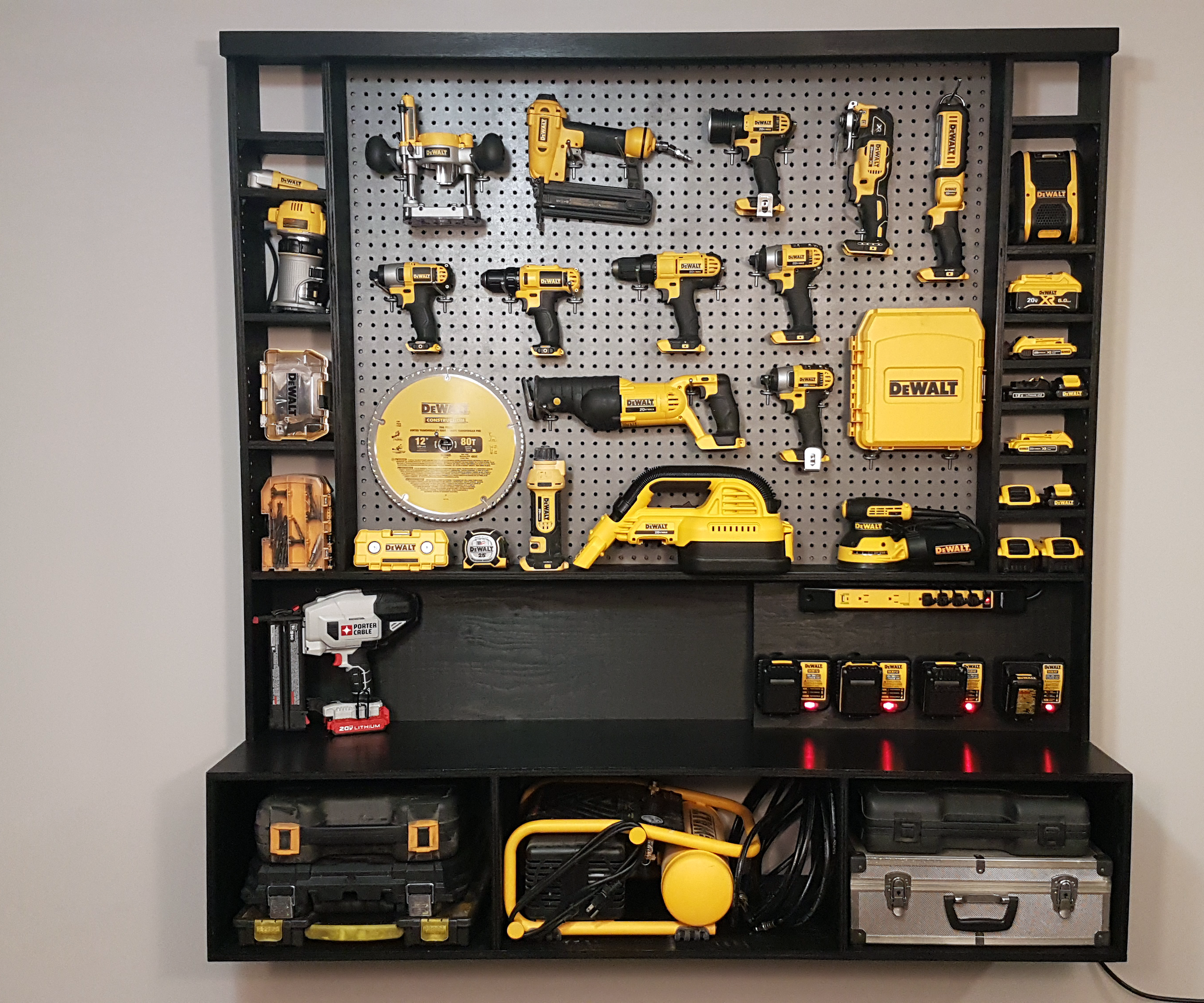
Let’s be honest—the garage or spare room crammed with tools and half-finished projects isn’t cutting it anymore. Today’s creators, from woodworkers and ceramicists to 3D printing enthusiasts and electronics tinkerers, need a space that’s not just functional, but inspiring. A modern home workshop is less about raw utility and more about creating a sanctuary for focused making. It’s a place where ideas can flow without tripping over a power cord.
So, how do you build one? Well, it’s part science, part art. You need to think about workflow, safety, and, honestly, a bit of future-proofing. Let’s dive into the key considerations for designing a maker space that truly works for you.
First Things First: The Foundation of Your Space
Before you buy a single tool, you’ve got to assess your real estate. This isn’t just about square footage—it’s about potential. A basement offers climate control but limited access for large materials. A detached garage provides space and noise isolation but might need serious insulation. A spare bedroom? Well, you’ll need to be meticulous about dust and fumes.
Here’s the deal: the core of your workshop layout hinges on zoning. Think of it like a kitchen with work triangles. You wouldn’t put the oven across the house from the fridge. Same principle applies here.
- The Dirty Zone: This is for saws, sanders, grinders—anything that creates chips, dust, or sparks. It needs robust ventilation and easy-clean surfaces.
- The Clean Zone: Your assembly bench, electronics station, or finishing area. This space should be relatively dust-free, well-lit, and comfortable for detailed work.
- The Digital Zone: For design work on a computer, controlling a CNC or 3D printer, and project planning. This area needs clean power and good data connectivity.
- Storage & Infra Zone: Where raw materials, tools, and the vital infrastructure (air compressor, dust collector, electrical panels) live.
Non-Negotiables: Power, Light, and Air
These are the unsung heroes. Skimp here, and you’ll fight your space every single day.
Electrical Systems for a Modern Workshop
Forget daisy-chaining power strips. You need a dedicated circuit—or several—for your high-draw tools. A 220V outlet for a table saw or welder is a game-changer. And place outlets everywhere. Seriously, every four to six feet along the walls, and consider a few in the floor or dropped from the ceiling for island workbenches. GFCI protection near any water source is a must.
Lighting That Lets You See Perfection
Poor lighting causes mistakes and fatigue. Layer it. Start with bright, shadow-busting overhead LED panels for general ambient light. Then, add task lighting at every bench—articulating arm lamps are perfect. And don’t forget natural light if you can get it; a window can make the space feel less like a cave and more like a studio.
Dust Collection and Ventilation
This is health and safety, not just cleanliness. Fine dust is a silent hazard. A two-stage dust collector or a robust shop vac system connected to your major tools is the best investment you can make. Pair it with a ceiling-mounted air filter to catch the fines that escape. And for fumes from finishes or solvents, you need active ventilation—an exhaust fan that actually moves air to the outside.
Smart Storage and Ergonomic Flow
Chaos is the enemy of creativity. A place for everything doesn’t mean just shoving it in a cabinet. It means designing storage that makes tools accessible. French cleat walls are a maker’s dream—infinitely reconfigurable. Pegboard is classic for a reason. And for those bulky items? Think vertical. Heavy-duty shelving and even ceiling racks can store lumber or sheet goods without eating floor space.
Your workbench is the heart of the shop. Its height is critical. A good rule of thumb? Stand straight, let your arms hang, and measure from the floor to where your pinky meets your palm. That’s your ideal bench height for detailed work. For heavier tasks like planing, a lower surface is better. So, consider a multi-height bench or a separate assembly table.
| Workshop Zone | Core Tool Examples | Storage Solution |
| Dirty Zone (Wood/Metal) | Table Saw, Band Saw, Grinder | Mobile tool bases, Under-bench cabinets |
| Clean Zone (Assembly) | Clamps, Screwdrivers, Glues | Wall-mounted racks, Drawer units |
| Digital Zone | 3D Printer, Laptop, Soldering Station | Static shelving, Anti-static mats |
| Finishing Area | Spray Gun, Sanding Blocks, Brushes | Vented cabinet, Sealable containers |
The Tech-Enabled Maker Space
A modern workshop isn’t just about hammers and nails. It’s increasingly a hybrid space. Integrating digital fabrication tools like a desktop CNC router or a resin 3D printer opens up wild new possibilities. But these tools come with needs—a stable internet connection for file transfers, clean power to protect sensitive electronics, and often, a separate, cleaner environment to operate in.
And let’s talk about sound. A Bluetooth speaker is fine, but smart home integration can be a subtle game-changer. Voice-controlled lights, or a smart plug that turns on your dust collector when your saw powers up? That’s not just cool, it’s efficient. It reduces friction, letting you focus on the making.
Safety as a Design Principle, Not an Afterthought
Look, we all get complacent. So design safety into the bones of your shop. Clear, wide aisles—at least 36 inches—so you can move a sheet of plywood without doing a tango with a table saw. Keep a fire extinguisher (rated for all types) and a first-aid kit in a blatantly obvious spot. Install a master “kill switch” by the door, a big red button that cuts power to everything but the lights. It’s a simple thing that could prevent a disaster.
And personal protective equipment? Don’t stash it in a drawer. Mount hearing protection, safety glasses, and dust masks right at the entrance to each zone. Make putting them on the path of least resistance.
The Final Touch: Making It Yours
This is the fun part. Your workshop should spark joy, to borrow a phrase. Paint the walls a bright, reflective color. Add a comfy stool for when you’re thinking. Hang up inspiration—a poster, failed prototypes, a cool piece of gear as art. This is your lab, your studio, your factory floor. It should feel like it.
Building a modern home workshop is a project in itself, a meta-project that enables all others. It’s never truly finished; it evolves with your skills and interests. Start with a solid foundation of power, light, and air. Prioritize workflow and safety. Then, let the space grow organically around the work you love to do. The perfect workshop isn’t the one with the most expensive tools. It’s the one where you walk in, and within minutes, you’re lost in the flow of creation.