
 Regina Wang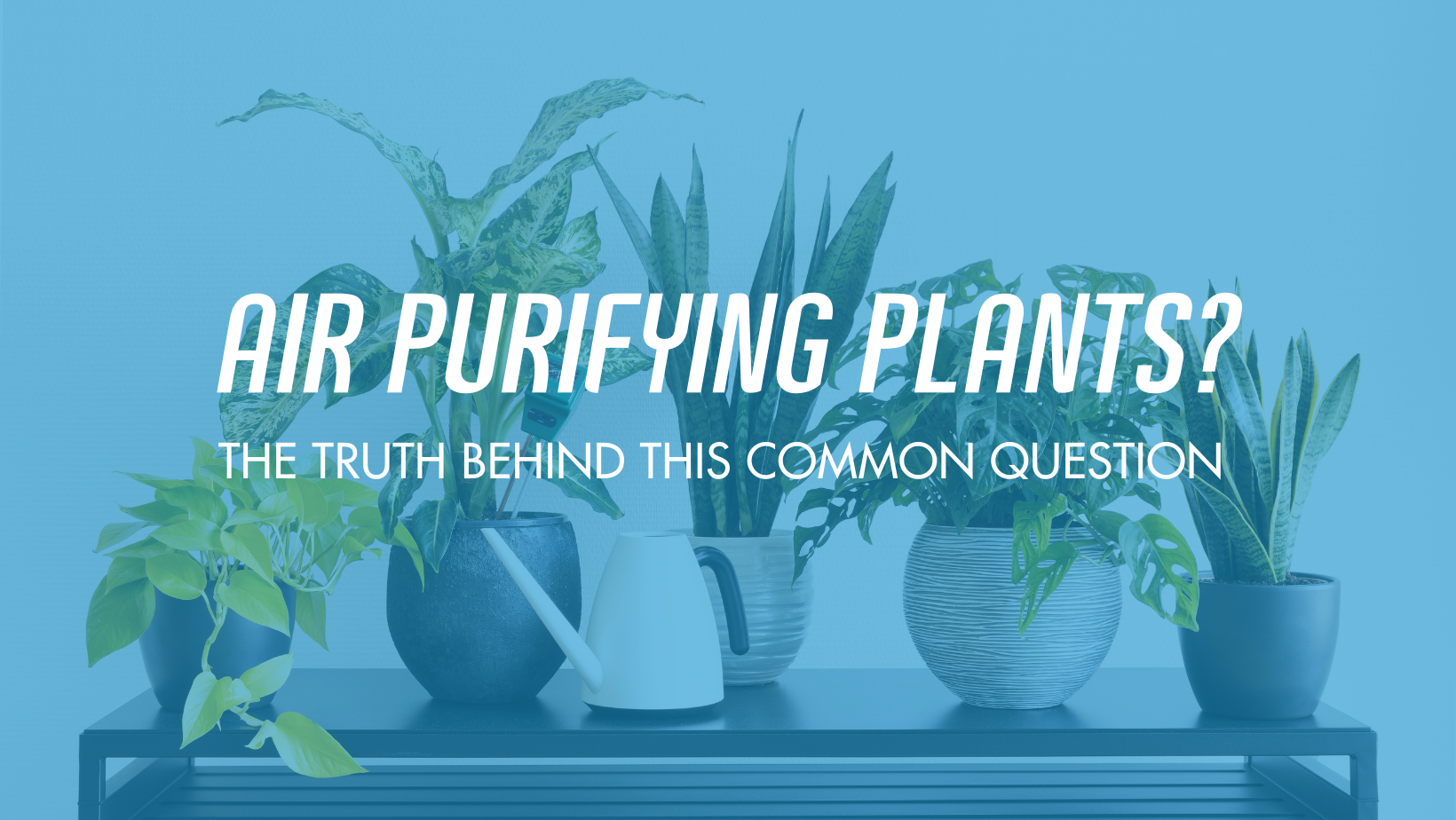
Let’s be honest. When we think about air pollution, we picture smokestacks and traffic jams. But the air inside our homes and offices? It can be up to five times more polluted than the air right outside your door. It’s a cocktail of dust, volatile organic compounds (VOCs) from furniture and cleaners, and, well, just the stuff of living.
But here’s the deal: you don’t always need a fancy, expensive HEPA filter humming in the corner. Sometimes, the best solutions are the oldest and simplest. By combining two timeless forces—natural ventilation and indoor plants—you can create a fresher, healthier living space. It’s about working with nature, not against it.
The Dynamic Duo: Why Ventilation and Plants Belong Together
Think of it like this. Natural ventilation is the macro solution—it flushes the whole room. Opening windows and creating cross-breezes is like giving your house a deep, lung-filling breath. It exchanges stale, contaminated air for fresh outdoor air, reducing humidity and diluting pollutants in one fell swoop.
Plants, on the other hand, are the micro solution. They’re the silent, steady workhorses. Through the magic of photosynthesis and soil microbiology, they pull in specific toxins and give back pure oxygen and moisture. They’re nature’s air purifiers, but they work slowly, in a contained space.
Used alone, each has a limit. A plant can’t refresh an entire airtight room. And ventilation, while crucial, doesn’t remove all pollutants the moment they’re emitted. Together, though? They’re a powerhouse. You ventilate to reset the baseline, and the plants maintain a cleaner, more balanced environment in between.
Mastering the Art of Natural Ventilation
It’s not just about cracking a window. Effective natural ventilation is a bit of a strategy. The goal is to create a cross-flow—air entering from one side and exiting from another. This scoops up stagnant air and pushes it out.
Simple Tactics You Can Use Today
- The “Diagonal” Rule: Open windows or doors on opposite sides of a room, or even on different sides of the house. This creates a pressure difference that pulls air through.
- Embrace Stack Effect: Warm air rises. Open a lower-level window and an upper-level window (like a skylight or second-story window). The warm, stale air will escape out the top, drawing cooler air in from below. It’s like your house is exhaling.
- Timing is Everything: Honestly, ventilate when the outdoor air is best. Early morning or late evening often avoids peak pollen or traffic pollution. After cooking or showering? Non-negotiable. Get that humidity and odors out.
- Don’t Forget the Little Guys: Trickle vents above windows, passive vents in bathrooms, even the gap under a door can aid airflow. Make sure they’re not blocked.
Sure, in winter or high-pollen seasons, this gets trickier. That’s where our leafy allies come in to pick up the slack.
Your Green Clean-Up Crew: The Best Plants for Indoor Air Quality
Not all plants are created equal when it comes to air scrubbing. The famous NASA Clean Air Study from the late ’80s—and subsequent research—pointed to specific varieties that are particularly good at removing common VOCs like benzene, formaldehyde, and trichloroethylene.
But remember: you’re not running a lab. You’re creating a home. Choose plants you can keep alive, that suit your light, and that you enjoy. A thriving, medium-sized plant is better than a giant, dying one.
| Plant | Key Superpower | Care Level | Good For |
|---|---|---|---|
| Snake Plant (Mother-in-Law’s Tongue) | Filters formaldehyde, benzene, xylene. Releases oxygen at night. | Extremely easy. Tolerates low light and neglect. | Bedrooms, low-light corners. |
| Spider Plant | Combats formaldehyde, xylene, carbon monoxide. Non-toxic to pets. | Very easy. Loves bright, indirect light. | Hanging baskets in living areas. |
| Peace Lily | Top remover of ammonia, benzene, formaldehyde. Increases room humidity. | Easy. Tells you when it needs water (droops). | Bathrooms, kitchens. |
| Boston Fern | Humidifies and removes formaldehyde, xylene. A natural air moisturizer. | Moderate. Needs consistent moisture and humidity. | Drier rooms that need a humidity boost. |
| Devil’s Ivy (Pothos) | Targets formaldehyde, benzene, xylene. Fast-growing and versatile. | Super easy. Thrives in various light conditions. | High shelves, offices, low-maintenance spots. |
Beyond the Pot: Making Your Plants More Effective
To get the most out of your green air filters, think about these tips:
- More Leaves, More Cleaning: Surface area matters. A variety of sizes—some large floor plants, some medium, some small—creates a layered effect.
- Keep Them Clean: Dusty leaves can’t photosynthesize efficiently. Give them a gentle wipe or shower every month or so.
- Healthy Soil is Key: The potting mix isn’t just dirt. It’s a living ecosystem of microbes that also break down chemicals. Don’t let it completely dry out into dust.
- Location, Location: Place plants where you live and breathe most. A cluster in your main living area or near your desk does more good than one lonely plant in a hallway.
Weaving It All Into Your Daily Life
So, how does this look in practice? It’s about building small, sustainable habits.
- Morning Refresh: Open key windows for 10-15 minutes while you have your coffee. Create that cross-breeze.
- Strategic Green Placement: Put a peace lily in the kitchen, a snake plant in the bedroom, a pothos on your office bookshelf.
- Post-Activity Flush: After cooking, cleaning, or any DIY project, ventilate aggressively. Then let the plants handle the residual traces.
- Seasonal Shifts: In winter, ventilate briefly but more frequently to avoid heat loss. Rely more on your plants during these sealed-up months.
It’s a rhythm, you know? A partnership between your actions and the quiet, persistent biology of your plants.
A Final, Breathable Thought
Improving indoor air quality with natural ventilation and plants isn’t a one-time fix. It’s a philosophy of living. It’s choosing to work with the natural flows of air and growth that have always been there. You’re not just installing a device; you’re cultivating an environment.
The result is a space that feels different—lighter, fresher, more alive. It’s the subtle scent of fresh air, the visual calm of greenery, and the quiet satisfaction of knowing you’ve created a healthier haven, one breath and one leaf at a time.