
 Regina Wang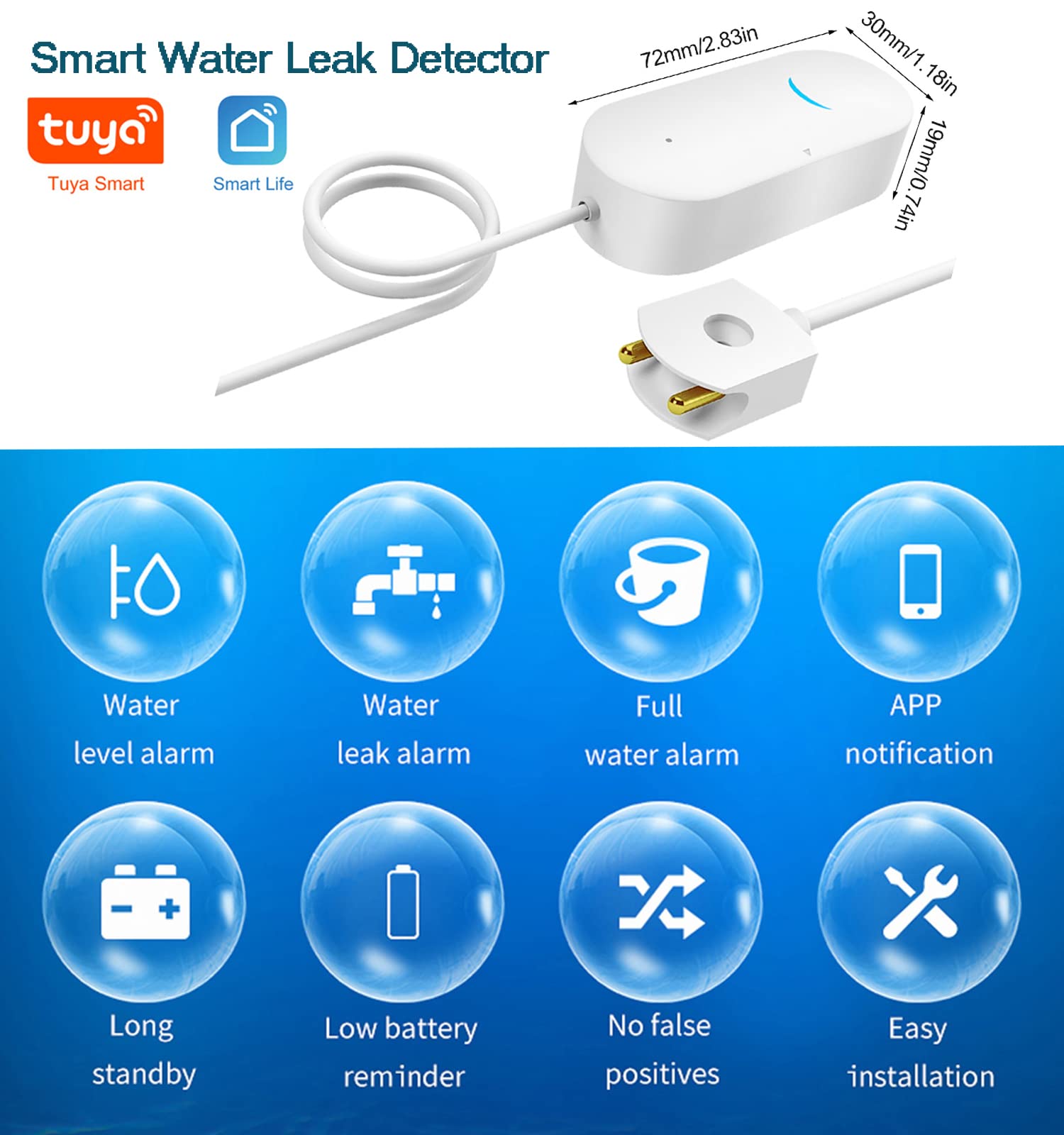
Let’s be honest. We worry about a lot of things in our homes—security, energy bills, Wi-Fi speed. But water? It’s easy to take for granted. It just flows, quietly, behind walls and under floors. That is, until it doesn’t. Until a tiny, persistent drip becomes a catastrophic flood.
Here’s the deal: integrating smart water sensors and leak detection systems is no longer a luxury for the tech-obsessed. It’s becoming a cornerstone of the modern, resilient home. Think of it as giving your house a nervous system for water. A way to feel a problem before it becomes a disaster.
Why Your “Dumb” Pipes Need to Get Smart
The statistics are, frankly, a splash of cold water. The EPA estimates that the average household can waste nearly 10,000 gallons of water every year from leaks. That’s like leaving the hose running for two months straight. And it’s not just about waste; it’s about damage. A burst washing machine hose can pump out 500 gallons an hour. You might not even be home to hear it.
Traditional homes are blind to this. They have no early warning system. Smart integration changes that. It shifts us from reactive panic—“Oh no, the ceiling is caving in!”—to proactive, calm management. Your phone buzzes: “Moisture detected near the water heater.” Now you’re a hero, not a victim.
The Building Blocks of a Water-Wise Home
So, what does this integration actually look like? It’s typically a layered approach, a combination of simple sensors and more advanced controllers. You can start small and build up.
1. The Sentries: Smart Leak Sensors
These are your first line of defense. Small, battery-powered discs you place in high-risk areas. Think under sinks, behind toilets, near the water heater, basement corners, by the washing machine. They don’t control water; they just sense moisture or, in some cases, even temperature drops that could mean a frozen pipe.
When they get wet, they scream for help—sending an instant alert to your smartphone. The best part? They’re cheap and install in seconds. No tools needed. It’s a no-brainer first step.
2. The Quartermaster: Automatic Shutoff Valves
Sensors are great, but what if you’re on vacation? Or asleep? This is where the system gets powerful. An automatic shutoff valve installs on your main water line. When a sensor detects a leak, it doesn’t just notify you; it can tell this valve to turn the entire home’s water supply OFF. Just like that.
Some advanced valves even use flow-rate monitoring. They learn your home’s normal water usage patterns—a shower uses X gallons per minute, the dishwasher Y. If they detect flow that’s abnormal for too long (like a running toilet all night or a burst pipe), they can intervene. It’s like having a plumber on duty 24/7.
Integration is the Real Magic
On their own, these devices are clever. But woven into your smart home ecosystem? That’s when they become truly intelligent. This is the core of modern home integration.
Imagine these scenarios:
- A sensor under the kitchen sink triggers. Not only does your phone get an alert, but your smart lights in the kitchen flash red. Your Google Home announces, “Warning, leak detected in kitchen.”
- You’re at work and get a leak alert. With a tap in your app, you can remotely shut off the main water valve yourself. No calling a neighbor in a panic.
- The system integrates with your home security or monitoring service. A major leak could automatically create a priority ticket with your plumber, even sending them the sensor data.
This connectivity is usually managed through a hub like SmartThings, Hubitat, or Home Assistant, or via a common language like Matter, which is making devices from different brands play nicer together. You know, finally.
Choosing and Placing Your System: A Practical Guide
Diving into the market can feel overwhelming. Let’s simplify. Here’s a quick comparison of the two main paths:
| Approach | Best For | Considerations |
| DIY Sensor Network (e.g., Moen Flo, Phyn, or sensor brands like Aqara) | Tech-savvy homeowners, those wanting gradual integration, renters (with portable sensors). | Often requires some setup. May need a separate hub. Automatic shutoff valves usually require professional installation. |
| Professional / Monitored System | New construction, major remodels, or homeowners wanting a hands-off, guaranteed solution. | Higher upfront cost, but often includes professional monitoring and may tie into home insurance discounts. |
Placement is everything. You want to think like water—it goes to the lowest point. Here’s a quick priority list for sensor placement:
- Water heater pan (a prime failure point).
- Under kitchen & bathroom sinks (supply lines and drain traps love to leak).
- Behind toilets (the fill valve will fail, it’s not a matter of if, but when).
- Near washing machines & dishwashers (both supply and drain lines).
- Basement floor drains or low points (for general flooding).
- Near sump pumps (if you have one).
Beyond the Leak: The Ripple Effects
Sure, preventing a flood is the big, dramatic win. But the benefits of these systems ripple outwards in quieter, subtler ways.
They promote water conservation. Seeing your usage data can make you aware of habits you didn’t know you had. That slight running toilet you tuned out? The system flags it. You save money on your utility bill, month after month.
They provide profound peace of mind. Going away for the winter? You can check your app to see all systems are dry. No more asking a friend to “just pop in and check the basement.” That mental quiet is, honestly, priceless.
And increasingly, they can lead to home insurance discounts. More insurers are recognizing the risk mitigation these systems provide and offering premium reductions. It’s worth a call to your agent.
A Final Thought: Not Just Gadgets, but Guardians
Integrating smart water systems isn’t about filling your home with more blinking gadgets. It’s about adding a layer of silent, watchful intelligence to the most fundamental element of your house. It’s an acknowledgment that our homes, for all their solidity, are vulnerable to the slow creep of a drip or the sudden fury of a burst pipe.
This technology moves us from being passive occupants to active stewards. It gives your home a voice for a threat it could never articulate before. In the end, it’s not just about protecting drywall and floorboards. It’s about safeguarding the memories and the life built within those walls. And that’s an integration that makes sense on every level.