
 Regina Wang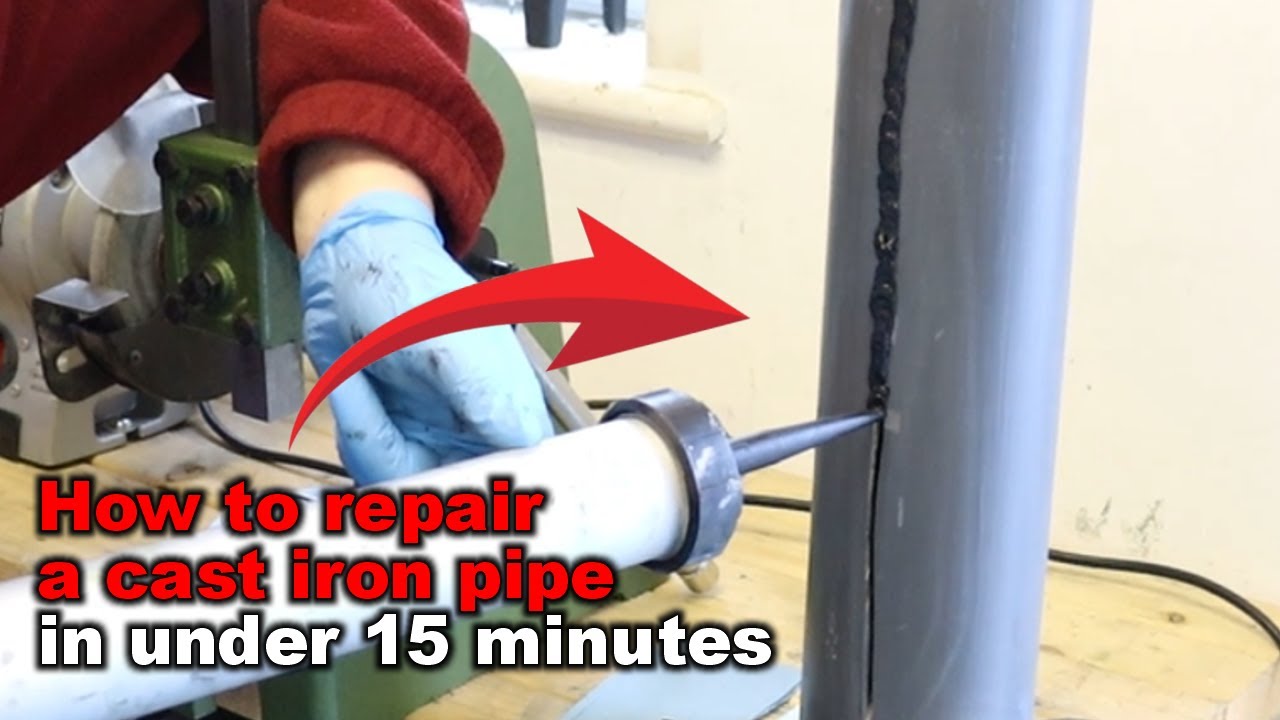
There’s a unique magic to living in a historic home. The creak of a floorboard, the patina on a doorknob, the sheer character in every corner. But then you hear that drip. That ominous gurgle from a pedestal sink that’s seen a century of use. Suddenly, the charm is tinged with a bit of anxiety.
Plumbing in an old house isn’t just a system; it’s a living archaeology. You’re dealing with materials and methods that most modern plumbers rarely encounter. The goal isn’t to rip and replace, but to preserve and protect. Let’s dive into how you can maintain—and troubleshoot—those original fixtures and pipes with the respect they deserve.
Understanding Your Historic Plumbing System: What You’re Likely Dealing With
First things first. You can’t fix what you don’t understand. Plumbing in homes built before the mid-20th century is a different beast. Here’s a quick breakdown of the common original materials you might find behind the walls and under the floors.
| Material | Era of Common Use | Key Characteristics & Vulnerabilities |
| Galvanized Steel Pipe | Late 1800s – 1950s | Coated with zinc to prevent rust. Over decades, the zinc erodes, leading to severe internal corrosion and clogging from mineral buildup. |
| Cast Iron Drain Pipe | Mid-1800s – 1970s | Extremely durable for waste lines, but can rust from the inside out. Vulnerable to hairline cracks from house settling. |
| Lead Pipe | Pre-1930s | Soft, malleable, and now a serious health hazard. Used for main service lines and sometimes interior drains. Requires immediate professional attention. |
| Brass & Copper (early) | 1930s onward | More durable, but early fittings may contain high lead content. Can still develop pinhole leaks over time. |
| Terracotta (Orangeburg) Pipe | Early 1900s – 1970s | A bituminous fiber conduit used for sewer lines. Notoriously fragile and prone to collapse and root intrusion. |
The Golden Rule of Historic Home Plumbing: Gentle Prevention
Honestly, the best troubleshooting is the kind you never have to do. With historic plumbing, a gentle, preventative approach is everything. Think of it like caring for a fine antique wood table—you wouldn’t use harsh chemicals or abrasive scrubbers, right? Same principle applies here.
Maintenance Must-Dos for Original Fixtures
Those clawfoot tubs, cross-handle faucets, and high-tank toilets? They’re the jewels of the home. Here’s how to keep them functioning.
- Never Use Chemical Drain Cleaners. Seriously, this is non-negotiable. The caustic soup eats away at old metal pipes and can destroy the rubber seals and washers in vintage fixtures. For a clog, try a plunger, a hand-crank drain snake, or a natural enzyme-based cleaner first.
- Learn the Art of the Washer. Most drips from old faucets are fixed by replacing a simple rubber or leather washer. It’s a satisfying, period-correct repair. Shut off the water supply under the sink or at the main, disassemble the handle (carefully!), and take the old washer to a hardware store for a match.
- Lubricate & Exercise Valves. The main shut-off valve and fixture stops can seize from decades of inactivity. Once a year, gently turn them off and on to keep them moving. A specialist plumber can lubricate them if they’re stuck—don’t force it!
- Clean with Care. Avoid abrasive cleaners on porcelain, nickel, or brass fixtures. For porcelain, mild soap and water. For metal, a paste of lemon juice and baking soda can work wonders, then rinse and dry thoroughly.
Dealing with Old Pipes: A Systemic Approach
The hidden network is where the real challenges lie. You know, out of sight, out of mind… until it isn’t.
- Water Pressure is Not Your Friend. High modern water pressure (often 60-80 PSI) can stress old joints and lead to leaks. Install a pressure regulator at the main and aim for a gentle 40-50 PSI. Your pipes will thank you with a longer life.
- Listen and Look. Pay attention to changes. Discolored water (brown/red) signals corroding galvanized pipes. Reduced flow at multiple fixtures points to widespread buildup. Gurgling drains can indicate venting issues or a partial blockage in the cast iron.
- Insulate Pipes in Unheated Spaces. This prevents freezing and cracking, a disaster for any pipe but especially irreplaceable original runs.
Troubleshooting Common Issues: A Sensitive Touch
Okay, so something’s gone wrong. Don’t panic. Here’s how to approach common problems without calling in the wrecking crew.
1. The Dreaded “No Drainage” Clog
In a modern PVC drain, you might get aggressive. Here, you escalate gently.
- Boiling Water & Baking Soda/Vinegar. Sometimes, it’s just grease buildup. Flush with boiling water, or use the baking soda and vinegar trick followed by more hot water.
- Plunger. Use a flange plunger for toilets, a cup plunger for sinks and tubs. Ensure you have a good seal and use forceful, consistent pushes.
- Hand Snake (Auger). This is your best friend. Feed it slowly into the drain until you feel resistance, then crank to break up or retrieve the clog. It’s physical but far gentler on pipes than chemicals.
- Call a Pro… with the Right Experience. If you’re stumped, you need a plumber who specializes in—or at least understands—historic homes. They’ll likely use a sectional drain machine with caution, and they’ll know when to stop.
2. The Persistent Drip from a Vintage Faucet
That rhythmic plink… plink… plink is a call to action. Usually, it’s that worn washer we talked about. But sometimes, the valve seat itself gets pitted or corroded. If replacing the washer doesn’t work, the seat needs to be resurfaced with a special tool. This is a delicate job on old brass—another good reason to have a skilled pro in your contacts.
3. Low Water Pressure Throughout the House
This is the classic sign of galvanized pipe failure. The interior diameter is shrinking under decades of mineral deposits. There’s no easy fix. You can try to have the pipes descaled, but that’s often a temporary solution for a terminal problem. The long-term answer is a selective repipe—a major project, but one that preserves the fixtures while replacing the failing arteries behind the walls.
When to Call a Professional (And How to Find the Right One)
Let’s be real: you can’t DIY everything. Some issues require a specialist’s touch. You need someone who sees the history, not just the problem.
- Look for “Historic Home” or “Old House” Experience. Ask directly: “Have you worked on homes with galvanized steel and cast iron piping?” Their answer will tell you everything.
- They Advocate for Preservation. The right pro will suggest repair or lining before total replacement. They’ll know how to source reproduction parts or carefully restore original valves.
- Beware the “Automatic Repipe” Sales Pitch. If a plumber walks in and immediately says everything needs to be torn out without a detailed diagnosis, thank them for their time and find someone else. A preservation-minded plumber will give you options.
Living in Harmony with the Past
Maintaining the plumbing in a historic home is a practice in patience and perspective. It’s a dialogue between past and present. Sure, it can be frustrating when a simple job turns into a archaeology project. But there’s a profound satisfaction in hearing an original faucet turn off—silently, perfectly—after you’ve replaced its washer. In knowing you’ve stewarded a piece of craft history for the next generation.
The house speaks through its systems. The trick is to listen closely, respond gently, and always, always respect the craft in the original work. That’s how you keep the history flowing.