
 Regina Wang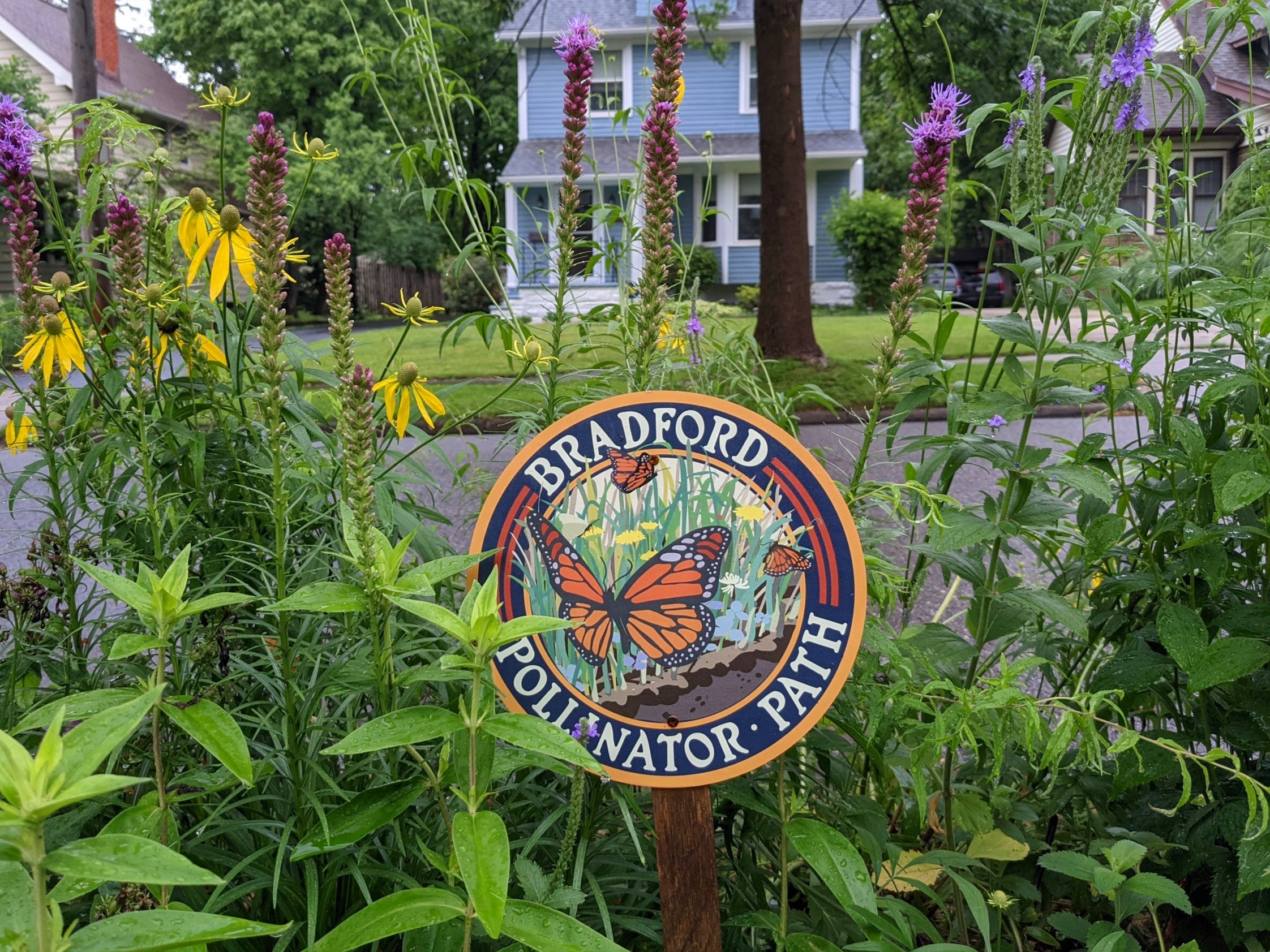
Imagine your garden as a single, cozy cafe. It’s nice, sure. But what if that cafe was part of a bustling, city-wide network of food stops, rest areas, and safe highways? That’s the power of a pollinator corridor. It’s not just about planting flowers—it’s about stitching the landscape back together, one yard, balcony, or community plot at a time.
And honestly, it’s easier to start than you might think. You don’t need acres. You just need a plan. This roadmap will walk you through the simple, rewarding steps to create a lifeline for bees, butterflies, hummingbirds, and countless other crucial creatures. Let’s dive in.
What Exactly Is a Pollinator Corridor? (And Why It’s a Game-Changer)
Think of it as a native plant pollinator pathway. It’s a connected sequence of habitats that provides food, shelter, and safe passage for pollinators moving through an area. In our modern world, their natural habitats are often fragmented—islands of green in a sea of concrete and lawn. A corridor bridges these gaps.
The benefits are huge. For pollinators, it means reliable nutrition from spring to fall and places to nest and overwinter. For you, it means a vibrant, low-maintenance garden teeming with life. For the ecosystem, it boosts pollination for wild plants and food crops alike. It’s a classic win-win-win.
Your Step-by-Step Roadmap to Success
Step 1: The “Lay of the Land” Assessment
Don’t just run to the nursery. Start with observation. Grab a notebook and spend a week just looking.
- Sun & Soil: How many hours of direct sun does your space get? Is the soil sandy, clay, or loamy? Is it damp or bone-dry? This dictates everything.
- What’s Already There: Any existing plants that pollinators visit? Even a “weed” like clover is a bee magnet.
- Potential Partners: Chat with neighbors. See if the community garden or local school is interested. Corridors gain power through connection.
Step 2: Choosing Your Native Plant All-Stars
This is the heart of it. Native plants are the keystone species for pollinator gardens because they evolved alongside local insects, offering the perfect nutrition and structure. Here’s how to pick.
First, focus on bloom time succession. You want a buffet that’s always open. Aim for a mix:
| Season | Native Plant Examples | Pollinators They Attract |
| Early Spring | Pussytoes, Golden Alexanders, Wild Lupine | Emerging bumblebee queens, early butterflies |
| Late Spring/Summer | Milkweed, Bee Balm, Purple Coneflower | Monarchs, Swallowtails, Honeybees, Hummingbirds |
| Late Summer/Fall | New England Aster, Goldenrod, Blazing Star | Migrating monarchs, preparing bees for winter |
Second, think in layers. Plant tall native flowers for butterflies in the back, mid-height clumps in the middle, and groundcovers up front. Add a native flowering shrub or small tree if you can—they offer massive blooms and crucial shelter.
Step 3: Design & Plant with Purpose
Now, sketch it out. Group the same plants in clusters of at least three. Pollinators are energy-efficient; they like to hit multiple food sources in one spot. Leave some bare, undisturbed ground for ground-nesting bees. Add a shallow water source with stones for perching.
When planting, ditch the mulch volcano. A light layer of leaf litter is better—it mimics the forest floor and shelters overwintering insects. And please, commit to chemical-free gardening practices. Pesticides and herbicides are corridor-killers.
Step 4: The “Less Is More” Maintenance Mindset
Here’s the beautiful part: a well-planned native corridor needs less work than a lawn. Water deeply to establish plants in the first year, then let them be. They’re adapted to your climate.
In fall, don’t tidy up completely. Leave those dead stems and leaves—they’re full of next year’s bees and butterflies in egg, pupal, or larval form. Cut them back in late spring, after new growth has started. It feels messy at first, but it’s life-giving.
Common Pitfalls (& How to Sidestep Them)
Every beginner hits a few snags. Here’s the inside scoop on avoiding them.
- Overwhelm: Start small. A 10′ x 10′ patch is perfect. You can expand each year.
- Wrong Plant, Wrong Place: That sun-loving prairie flower will languish in your shady corner. Stick to your site assessment.
- Impatience: Native plants spend their first year building deep roots. They might not look like much. By year two and three, they’ll explode. Trust the process.
- Going It Alone: Connect with local native plant societies or Facebook groups. They offer swap meets, cheap plants, and priceless advice.
Beyond Your Yard: Scaling the Vision
Your patch is a vital link. To truly build a pollinator friendly habitat network, think bigger. Talk to your neighbors. Gift them extra seedlings. Propose a “pollinator street” project to your homeowners’ association. Advocate for native plants in local parks and library landscapes.
Every single habitat patch, no matter how small, is a stepping stone. When you link them, you create resilience. You’re building a safety net for species that are, frankly, having a tough time out there.
So, what does success look like? It’s not a perfectly manicured bed. It’s the hum of a bumblebee on a cool morning. It’s the flicker of a skipper butterfly you’ve never seen before. It’s the quiet pride of knowing your little piece of earth is part of a larger, living tapestry. That’s the real payoff. Now, go get your hands dirty.