
 Regina Wang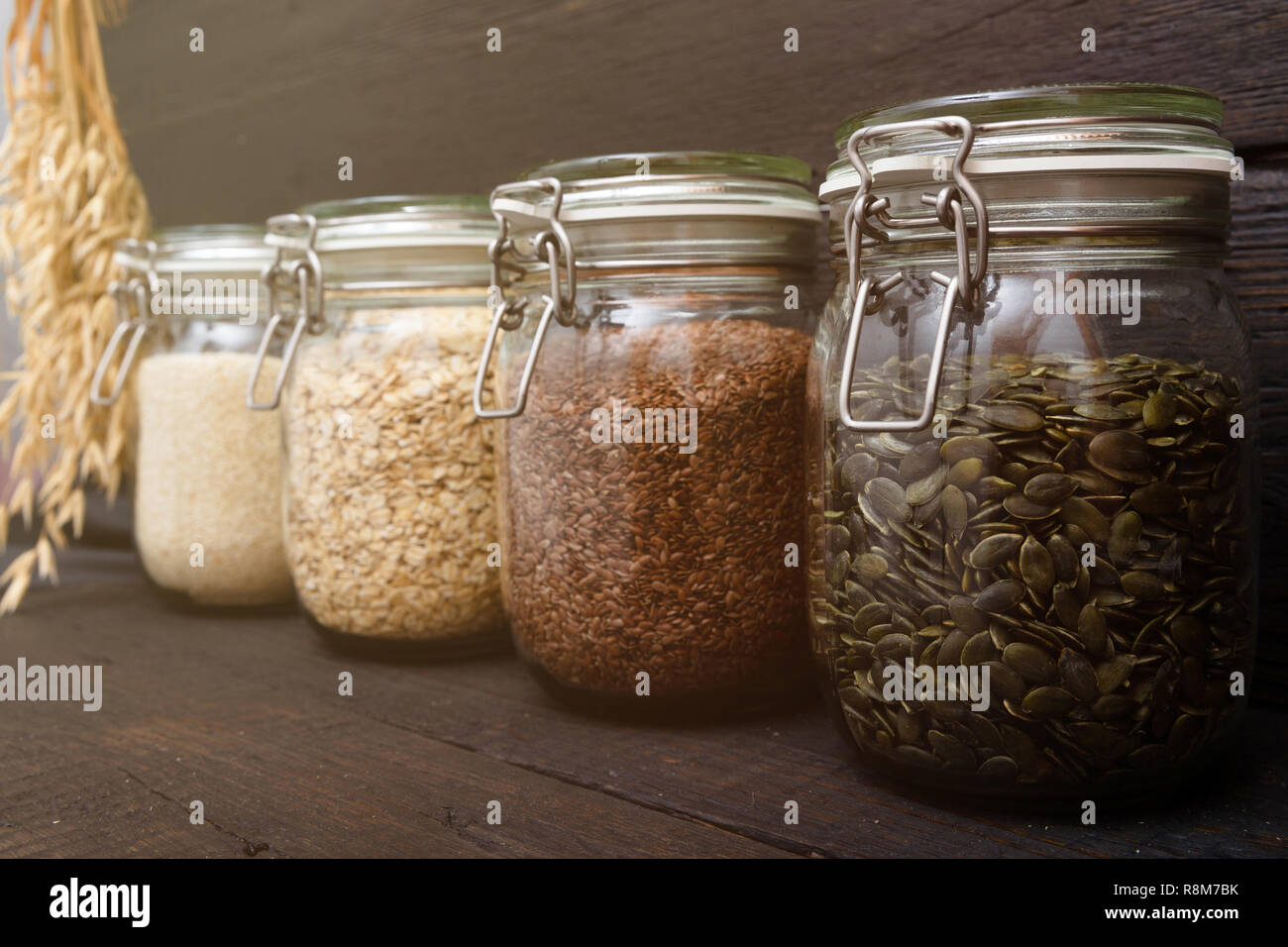
Let’s be honest: most of us don’t think much about seeds. We buy a packet, plant them, and enjoy the harvest. End of story. But what if that story could—and should—be longer? What if the simple act of saving a handful of seeds from your best tomato plant is a quiet act of rebellion and resilience?
That’s the heart of seed saving. It’s an ancient practice, sure, but it’s also a cutting-edge tool for food security. We’re diving into the beautiful blend of backyard science and strategic planning that lets you preserve heirloom flavors and, maybe more importantly, develop climate-resilient varieties right in your own garden.
Why Bother? The Urgent Case for Seed Sovereignty
Here’s the deal. Over the last century, we’ve lost a staggering amount of agricultural biodiversity. Estimates suggest we’ve said goodbye to over 90% of our historic fruit and vegetable varieties. Commercial seed is often bred for uniformity, long-distance shipping, and shelf-life—not necessarily for taste, nutrition, or adaptability to your specific patch of earth.
That’s where heirloom and open-pollinated seeds come in. These are the varieties that, when you save their seeds, grow true to type. They carry stories and genetics that industrial agriculture overlooks. And in an era of unpredictable weather—droughts, deluges, weird temperature swings—these genetics are a treasure trove. A tomato that thrived in your grandpa’s dry summer might just hold the key for your garden’s future.
The Basic Science: How Plants Make (and Keep) Seeds
Okay, let’s get a bit technical, but I’ll keep it simple. Understanding a little plant biology is your first step to success. It all comes down to pollination.
Open-Pollinated vs. Hybrid: A Crucial Distinction
This is the big one. Open-pollinated (OP) plants are pollinated by wind, insects, birds, or even by hand. Their offspring will generally be very similar to the parent plant. All heirlooms are OPs, but not all OPs are heirlooms (that’s usually a matter of age and history).
Hybrid (F1) seeds are a first-generation cross between two distinct parent lines. They can offer vigor and uniformity, but save seeds from a hybrid, and what grows next year is a genetic lottery—often a disappointing one. For reliable seed saving, stick with OP varieties.
Self-Pollinators vs. Cross-Pollinators
This determines how much work you’ll need to do to keep your seed line pure.
- Easy Mode (Selfers): Tomatoes, peppers, beans, peas, and lettuce. Their flowers are typically designed to pollinate themselves before they even open. They’re fantastic for beginners because the risk of cross-pollination is low.
- Advanced Mode (Crossers): Squash, cucumbers, corn, spinach, and most brassicas (like kale, broccoli). These rely on wind or insects to move pollen from one plant to another. To keep varieties pure, you need strategies like isolation distances or timed planting.
| Crop Type | Examples | Pollination Method | Beginner-Friendly? |
| Self-Pollinators | Tomatoes, Beans, Lettuce | Mostly self-contained | Yes, ideal for starters |
| Insect-Pollinated Crossers | Squash, Cucumbers, Broccoli | Bees, other insects | Medium – needs isolation |
| Wind-Pollinated Crossers | Corn, Spinach, Swiss Chard | Wind | Hard – needs significant space |
The Hands-On Practice: A Step-by-Step Seed Saving Framework
Alright, theory is great. Let’s get our hands dirty. Think of this not as a rigid recipe, but as a flexible guide.
1. Start with the Best: Selection is Everything
This is where you become a plant breeder. Don’t save seeds from just any plant. Save from the plants that demonstrate the traits you want to encourage. The one that fruited earliest during a heatwave. The kale that kept growing sweet after a frost. The tomato with the most incredible flavor, even in a rainy year. You’re literally guiding evolution in your garden, selecting for climate resilience and taste.
2. Harvest and Process: It’s Not One-Size-Fits-All
Processing methods depend on how the seed is carried. Here’s a quick breakdown:
- Dry Seeds (Beans, Peas, Lettuce, Herbs): Let the seed pods or heads dry completely on the plant—until they’re brown and crispy. Then, harvest, thresh (get the seeds out), and winnow (blow away the chaff). A breezy day and two bowls are your best tools.
- Wet Seeds (Tomatoes, Cucumbers, Squash): These are encased in pulp. For tomatoes, scoop out the seed gel and ferment it in a jar with a little water for 1-3 days. This mimics nature, destroys seed-borne diseases, and separates good seeds (which sink) from the bad. Rinse and dry thoroughly. For squash, just wash the seeds clean and dry them.
3. Dry and Store: The Key to Longevity
Moisture is the enemy. Seeds must be bone dry before storage. I mean, snap-a-bean-in-half dry. Spread them on a plate or screen in a warm, airy spot (not direct sun) for a week or two. Then, store them in paper envelopes or glass jars. Label with variety name and date—trust me, you’ll forget. A cool, dark, and consistent place is perfect. Your fridge is a great seed bank.
Building Climate Resilience, One Seed at a Time
This is the powerful part. When you save seeds year after year, selecting from the plants that do best in your garden’s specific microclimate—its soil, its pests, its weird weather patterns—you are creating a locally adapted, climate-resilient variety. It’s a slow, beautiful dialogue with nature.
Maybe you notice a certain lettuce bolt slower than others. Save from that. Over a few generations, you’ve developed a heat-tolerant lettuce for your region. That’s real, grassroots climate adaptation. It’s not about finding a single miracle seed; it’s about nurturing a population of plants with diverse genetic strengths.
Common Hurdles (And How to Leap Over Them)
It’s not all sunshine. You’ll face challenges. Cross-pollination surprises happen. A damp winter can ruin stored seeds. That’s okay. Start small—with a forgiving crop like beans or tomatoes. Connect with local seed savers or a seed library. They’re fonts of wisdom and often have varieties already tweaked for your area.
The biggest mistake? Trying to do too much, too fast. Focus on one or two crops you love. Master them. The knowledge—and the seed stash—will grow from there.
A Living Legacy
In the end, seed saving is more than a gardening technique. It’s a mindset. It’s about shifting from being a consumer to being a steward. Each seed you save is a tiny, tangible link between past and future—carrying the taste of a perfect summer tomato and the genetic wisdom to weather the storms ahead.
You’re not just filling a jar. You’re keeping a story alive and writing its next chapter. And honestly, that’s a pretty profound thing to do with your hands in the dirt.